


Christmas Cybersecurity Reminder: Scammers Don’t Take Holidays Off
The holidays are a time for family, travel, generosity, and distraction—and that combination is exactly why scammers love Christmas.
While most people are focused on gifts, shipping notifications, and last-minute plans, attackers ramp up scams designed to create urgency and emotional pressure. Understanding how these scams work is the best way to avoid becoming a victim.
Why Christmas Is Prime Time for Scams
During the holidays, people are:
- Checking email and texts more frequently
- Expecting delivery notifications
- Traveling and using public Wi-Fi
- Feeling rushed, stressed, or generous
Scammers exploit all of this. They know you’re less likely to slow down and verify a message when it seems urgent or emotional.
The Most Common Christmas Scams
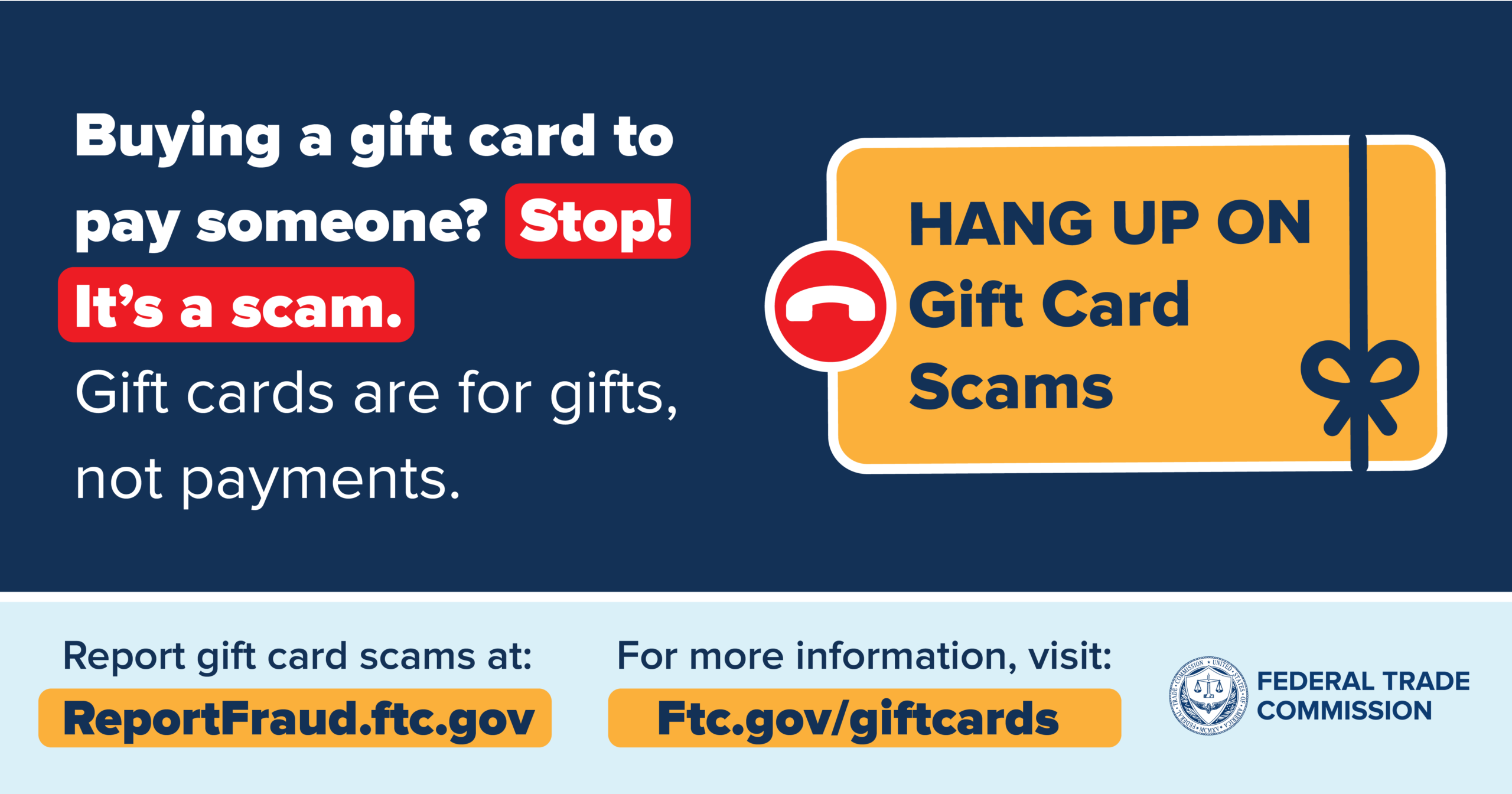
1. Gift Card “Emergencies”
Messages claiming to be from a boss, family member, or company asking for gift cards or instant payment.
No legitimate organization handles emergencies this way.
2. Fake Shipping Notifications
Emails or texts saying a package is delayed or needs confirmation. These links often steal login credentials.
3. Charity Scams
Fake charities spike around Christmas, especially after major news events. Always verify before donating.
4. Travel-Related Attacks
Public Wi-Fi at airports, hotels, and cafés can expose your data if you log into sensitive accounts.
Red Flags to Watch For
- Urgent language: “Act now,” “Account locked,” “Final notice”
- Requests for gift cards, crypto, or wire transfers
- Links or attachments you weren’t expecting
- Messages that pressure you not to verify
If something feels rushed or emotional, that’s your signal to pause.
How to Stay Safe This Christmas
- Never send money or gift cards based on a message alone
- Verify requests using a second method (call or text directly)
- Avoid clicking links in unexpected emails or texts
- Don’t log into financial accounts on public Wi-Fi
- Use multi-factor authentication on email and banking accounts
Security isn’t about paranoia—it’s about slowing down just enough to make good decisions.
Final Thought
Scammers don’t need sophisticated hacking tools if they can trick someone into acting quickly.
The best defense during the holidays is simple: pause, verify, and don’t rush.
Enjoy Christmas, protect your accounts, and start the new year without cleaning up a mess that could have been avoided.