
Short Videos
-
Fake LastPass Emergency Emails Are Spreading — Don’t Fall for This Phishing Scam
If your phone buzzes with an “urgent LastPass alert,” your first instinct might be to panic. That’s exactly what scammers are counting on. A new wave of phishing emails is targeting LastPass users with fake maintenance warnings designed to steal passwords, install malware, and compromise entire vaults. Let’s break down what’s happening — and how…
-
Navigating the Grubhub Data Breach: What You Need to Know
In a digital age where convenience often overshadows security, the recent Grubhub data breach serves as a critical reminder of the vulnerabilities that exist in online services. This incident not only compromised sensitive customer data but also raised questions about user safety and privacy in the age of technology. Understanding the Breach:Grubhub confirmed that their…
-
Unsubscribing from Spam: The Risks You Didn’t Know About
In today’s digital world, managing our inbox can often feel like an uphill battle, especially when it comes to dealing with spam emails. Many people instinctively hit the unsubscribe button, believing it to be the best solution. However, this seemingly harmless action could actually exacerbate the problem. Understanding the Risks of Unsubscribing When you encounter…
-
Why Your Email Is More Valuable Than Your Bank Account
Why Your Email Is More Valuable Than Your Bank Account Essential Cybersecurity Tips You Can’t Ignore Introduction Most people think their bank account is their most valuable digital asset. It’s not.Your email is. As I explain in my podcast, your email account is the control center for nearly every part of your digital life—banking, social…
-
The Overlooked Email Setting That Lets Attackers Stay Invisible
The Overlooked Email Setting That Lets Attackers Stay Invisible When people think about cybersecurity, they usually focus on passwords, multi-factor authentication, and phishing links. Those things matter—but there’s a quiet setting inside your email account that attackers love because most people never check it. Email rules, filters, and forwarding settings. This is one of the…
-
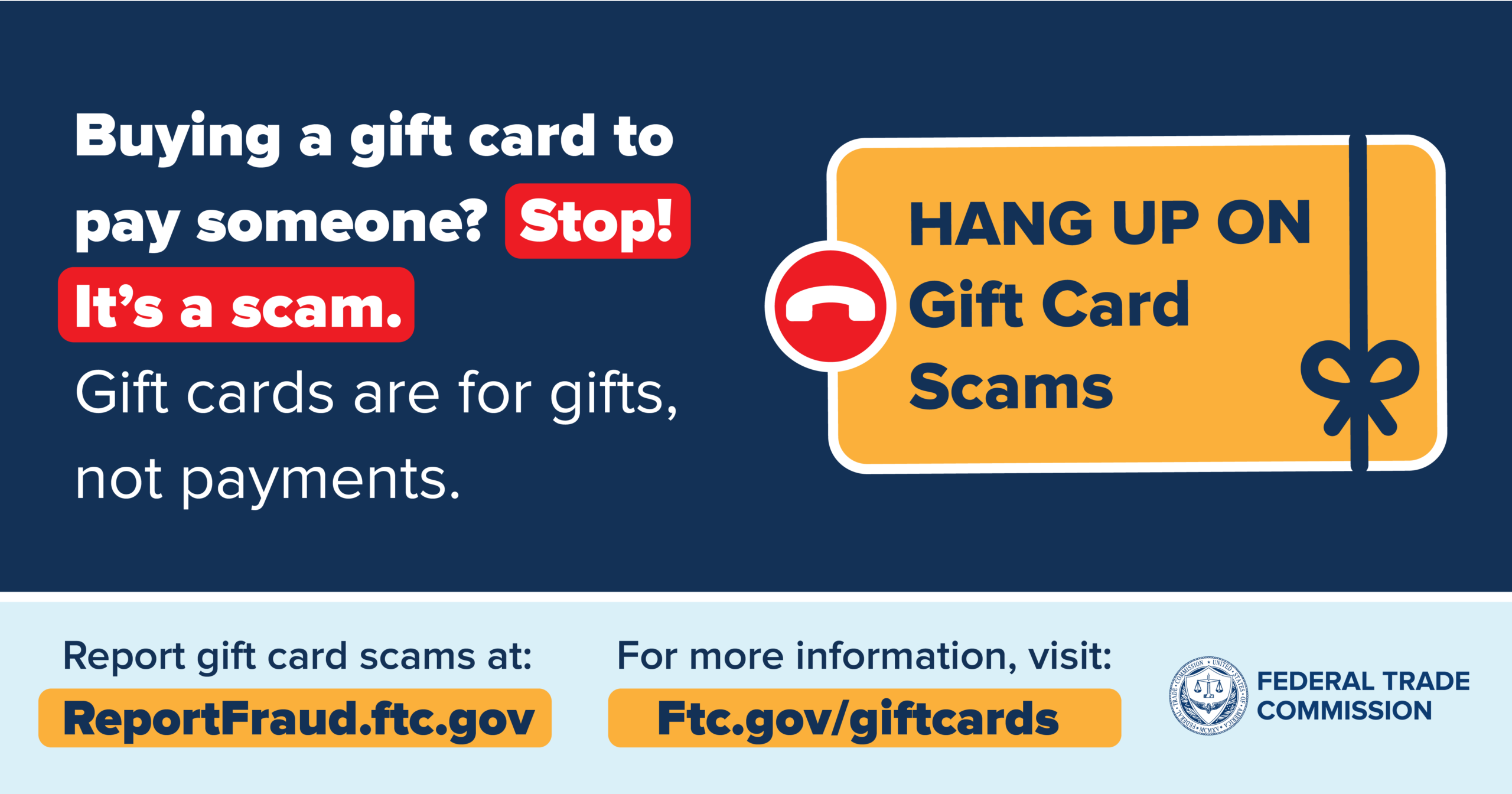
Christmas Cybersecurity Reminder: Scammers Don’t Take Holidays Off
Christmas Cybersecurity Reminder: Scammers Don’t Take Holidays Off The holidays are a time for family, travel, generosity, and distraction—and that combination is exactly why scammers love Christmas. While most people are focused on gifts, shipping notifications, and last-minute plans, attackers ramp up scams designed to create urgency and emotional pressure. Understanding how these scams work…
-
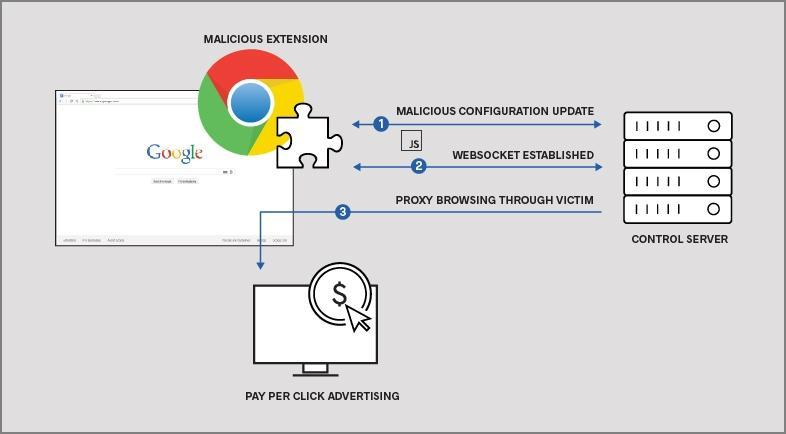
Browser Extension Malware: The Threat Hiding in Plain Sight
Browser Extension Malware: The Threat Hiding in Plain Sight Browser extensions are marketed as productivity boosters—ad blockers, coupon finders, note-taking tools, password helpers. Millions of people install them without a second thought. That’s exactly why attackers love them. Malicious browser extensions are one of the most underrated and effective attack vectors today because they live…
-
Your Security Questions Don’t Need to Be True (They Just Need to Be Secure)
When you set up an online account and reach the security questions section, it’s easy to assume you’re supposed to answer honestly. Mother’s maiden name.First pet.Favorite teacher.City you were born in. Here’s the problem: honest answers are often the least secure option. Why Security Questions Are a Weak Link Security questions are commonly used for…
-
Not your browser’s password manager!
Why You Should Use a Real Password Manager (Not Your Browser) Most people think they’re doing the right thing when their web browser asks, “Do you want to save this password?” It feels convenient, modern, and secure. Unfortunately, that built-in browser feature is not the same thing as using a real password manager—and confusing the…
-
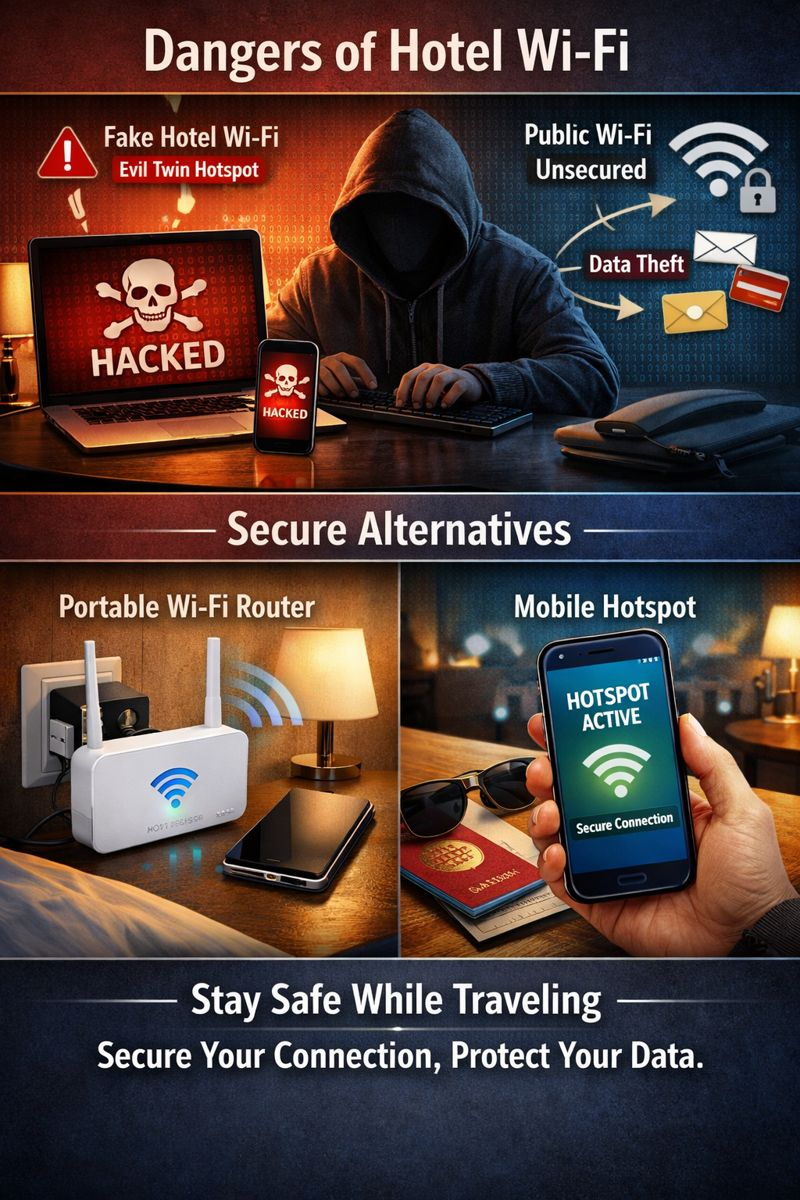
Stay Secure While Traveling: Avoiding Hotel Wi-Fi Risks
When you’re on the road, staying connected is crucial, but using hotel Wi-Fi can expose you to significant security risks. Public Wi-Fi networks, like those in hotels, are often unsecured, making it easy for attackers to intercept your data. Attackers can create fake hotspots using the hotel’s network name and password, tricking you into connecting…